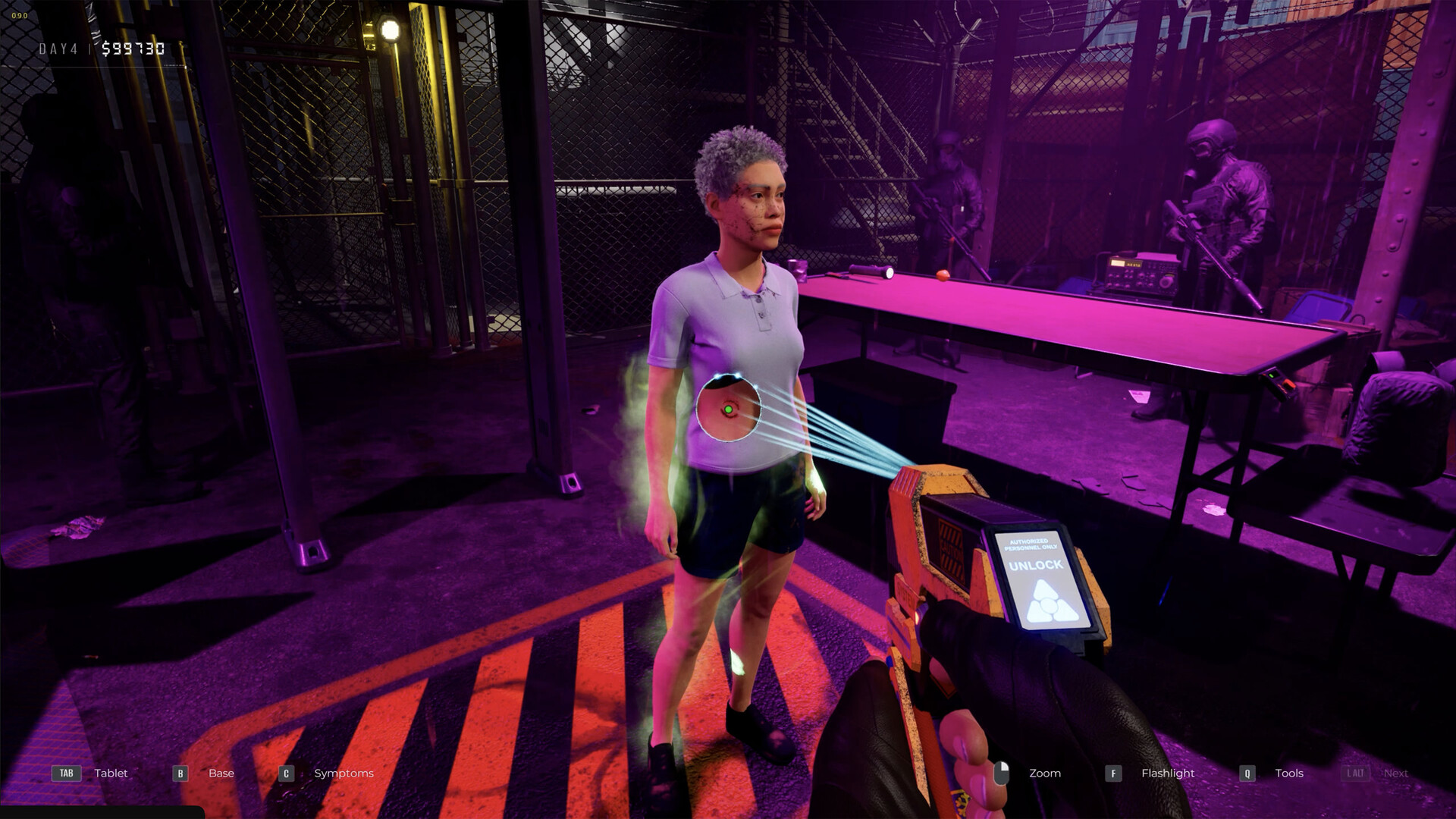
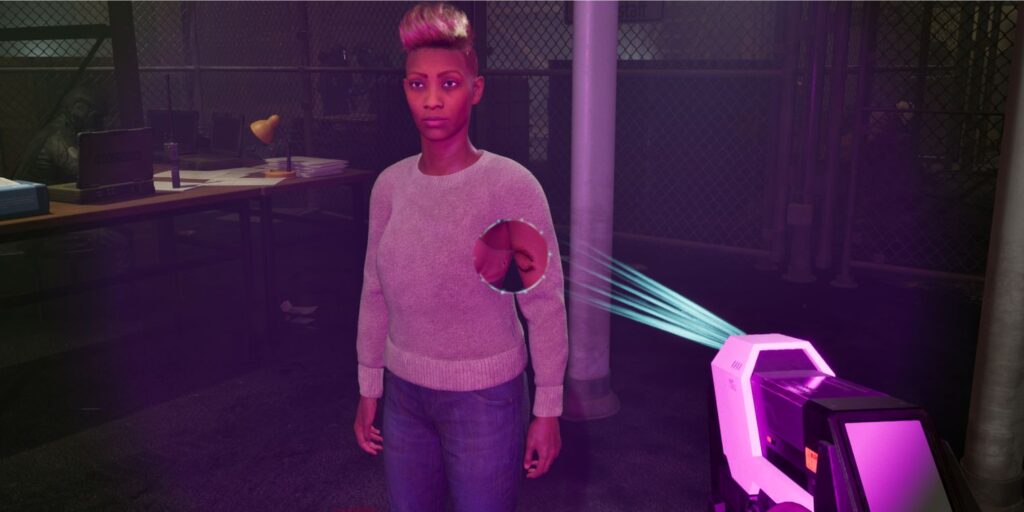
Quarantine Zone: The Last Check – Infection Detection Guide
Why Infection Detection Matters
In Quarantine Zone: The Last Check, one missed infection can destabilise your entire run.
Unlike traditional survival games where threats are obvious, infected civilians often appear healthy at first glance. The game intentionally mixes clear symptoms with subtle behavioural cues to test observation and decision-making under pressure.
Mastering infection recognition is the single most important skill for consistent success.
This guide breaks down every known infection indicator, from obvious red flags to hidden early-stage symptoms.
Stage 1 Infection Signs – Early Symptoms
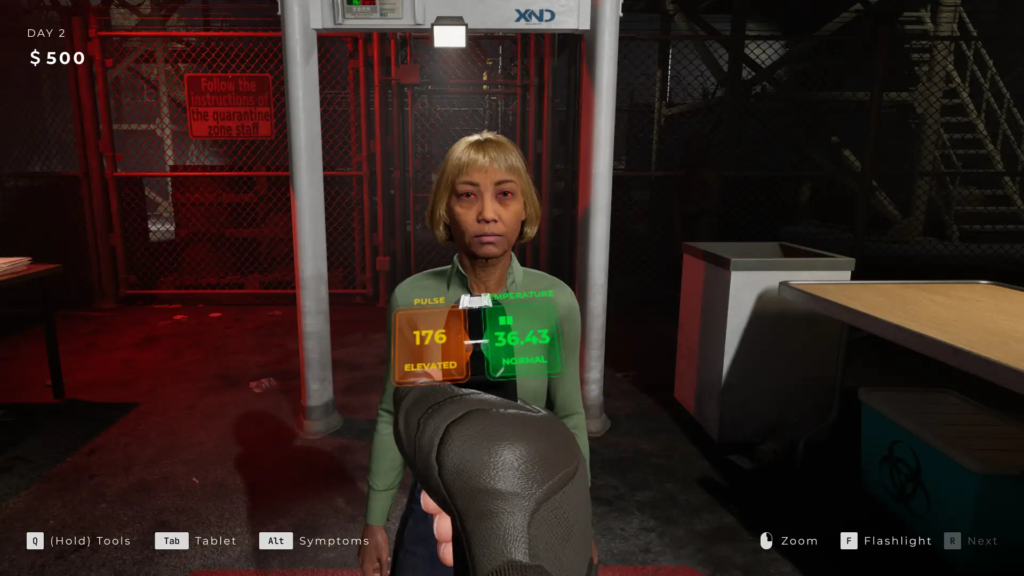
Early-stage infected civilians are the most dangerous because symptoms are easy to miss.
Visual Indicators
- Slight sweating
- Pale or greyish skin tone
- Mild eye redness
- Slow or tired posture
- Subtle trembling
Behavioural Indicators
- Hesitation answering questions
- Avoiding eye contact
- Nervous dialogue responses
⚠ Important: Early infections may pass basic scans depending on equipment level.
Best Practice: Combine visual checks with behavioural observation before approving entry.
Stage 2 Infection Signs – Active Infection
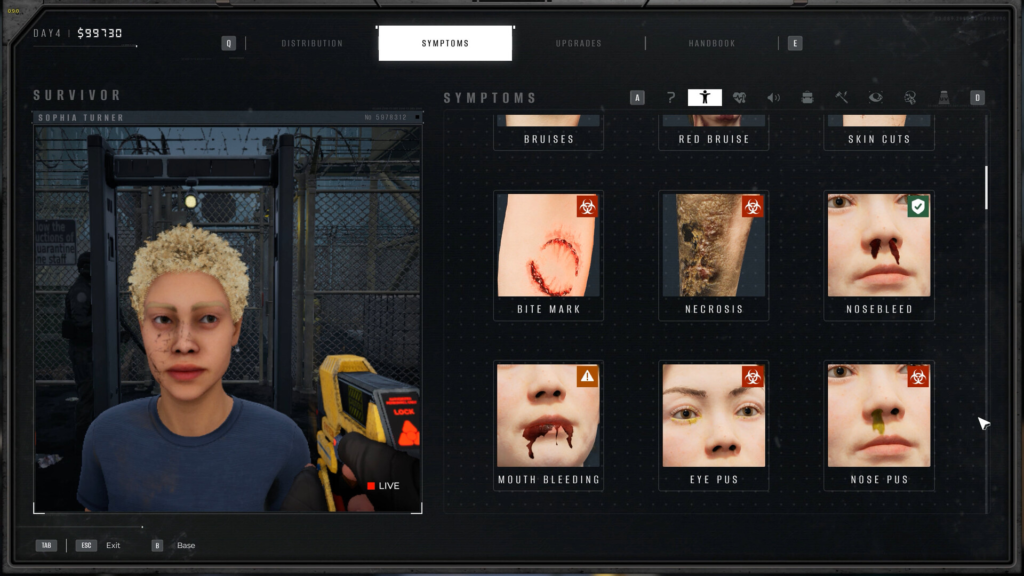
At this stage, symptoms become much clearer.
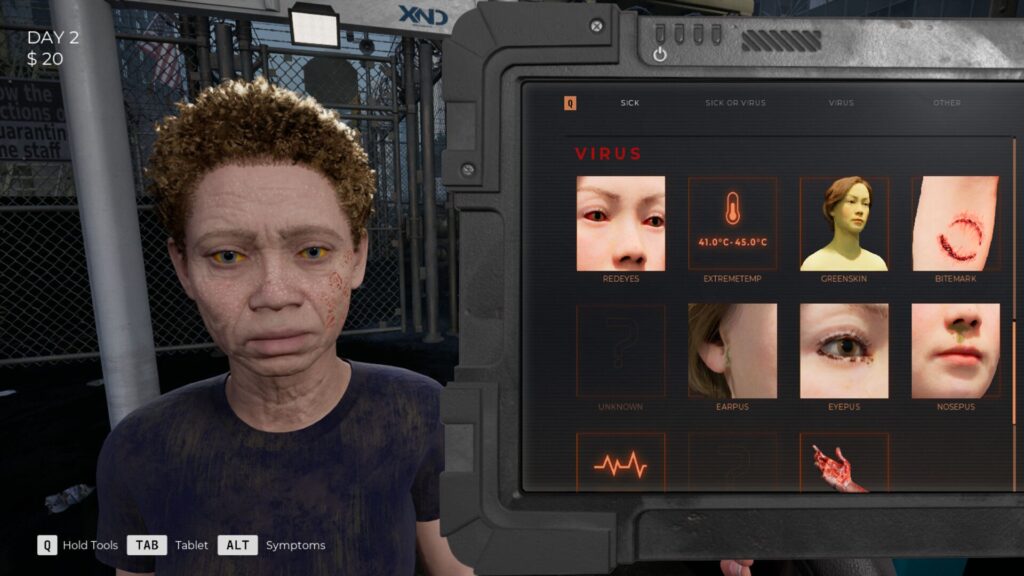
Physical Symptoms
- Persistent coughing
- Heavy sweating
- Visible fatigue
- Unsteady stance
- Skin discoloration
Scanner Results
- Elevated infection readings
- Warning indicators appearing more frequently
- Delayed scan confirmation
These civilians should almost always be denied entry immediately.
Spending extra inspection time increases queue risk without improving outcomes.
Stage 3 Infection Signs – Critical Infection
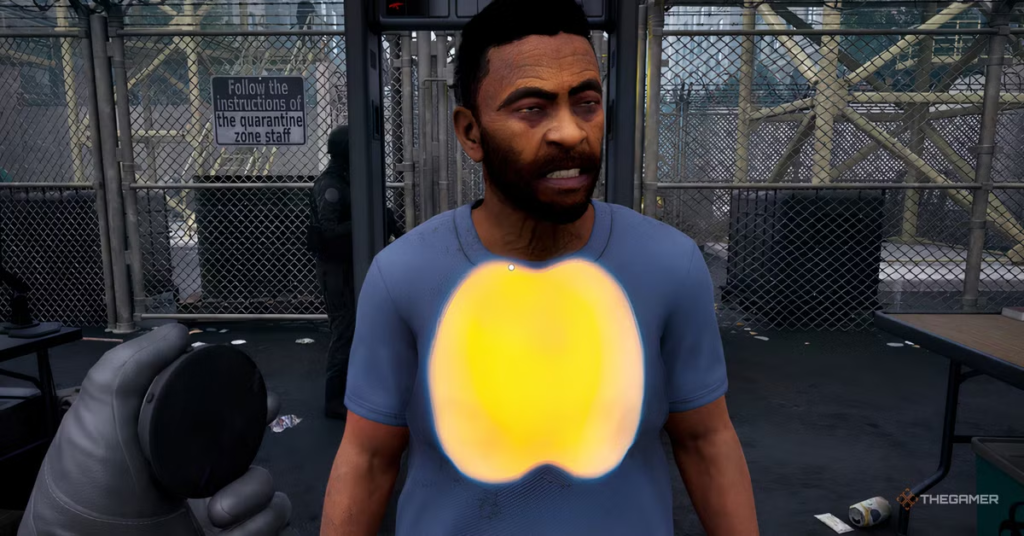
Late-stage infected individuals present immediate danger.
Clear Warning Signs
- Aggressive behaviour
- Severe coughing fits
- Loss of coordination
- Visible physical deterioration
- Sudden emotional outbursts
These cases may trigger security events if handled slowly.
✅ Call security or reject immediately.
❌ Never attempt prolonged inspection.
Hidden Infection Clues Most Players Miss
Experienced players rely on micro-details beyond visuals.
Subtle Red Flags
- Contradictory personal information
- Overly defensive dialogue
- Rushed attempts to gain entry
- Family members showing mixed symptoms
- Civilians refusing scans
If something feels wrong, it usually is.
The game intentionally rewards suspicion over optimism.
Scanner Accuracy Explained
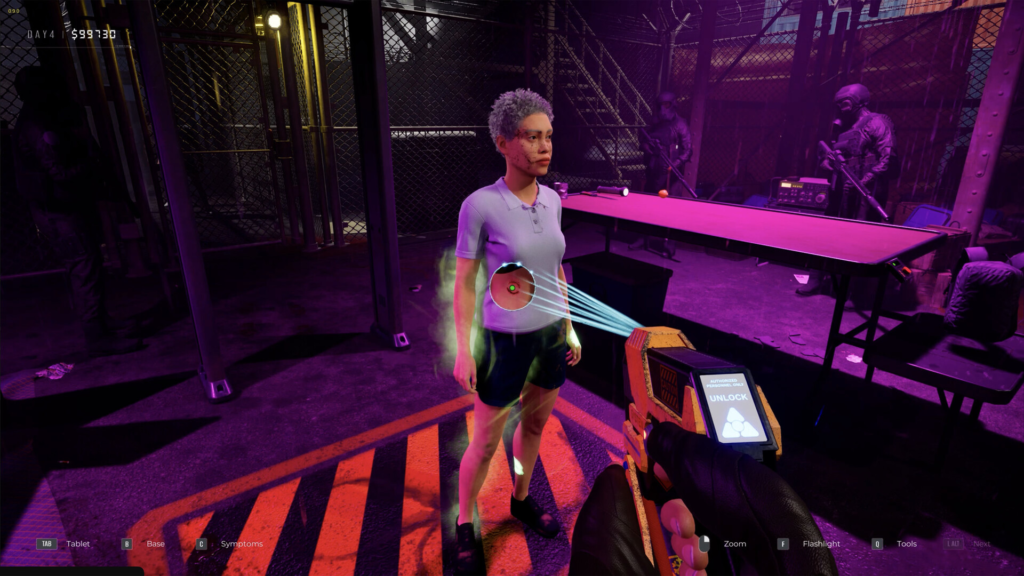
Your infection scanner is helpful — but not infallible, especially early game.
Key Mechanics
- Low-tier scanners may miss early infections
- Fast scanning reduces accuracy
- Upgrades improve detection reliability
- Environmental pressure increases mistake rate
Never rely solely on scanner results.
Think of the scanner as confirmation — not proof.
Fast Identification Strategy (Pro Method)
Use this professional inspection flow:
- Observe posture while civilian approaches
- Check facial appearance immediately
- Listen for cough or breathing cues
- Run scanner test
- Confirm behaviour consistency
- Decide quickly
Total ideal inspection time: 15–20 seconds.
This balance maintains queue control while minimising infection risk.
Common Detection Mistakes
❌ Trusting documentation over symptoms
❌ Ignoring mild coughing
❌ Approving civilians under time pressure
❌ Over-relying on scanners
❌ Allowing sympathy decisions
Remember: infected civilians often appear ordinary by design.
Best Upgrade Priority for Infection Detection
For safer early and mid-game runs:
- Scanner Accuracy
- Scan Speed Balance
- Staff Efficiency
- Medical Verification Tools
Detection upgrades outperform defensive upgrades in nearly every scenario.
Final Thoughts – Think Like Containment Staff
Success in Quarantine Zone: The Last Check comes from shifting perspective.
You are not diagnosing illness.
You are preventing catastrophe.
When uncertain:
👉 Reject entry.
👉 Protect the zone.
👉 Maintain operational control.
The safest checkpoint operators are not the kindest — they are the most consistent.
Quick Reference: Infection Signs Checklist
✅ Sweating
✅ Pale skin
✅ Coughing
✅ Fatigue
✅ Aggression
✅ Scanner warnings
✅ Nervous behaviour
If multiple signs appear together, denial is almost always the correct choice.