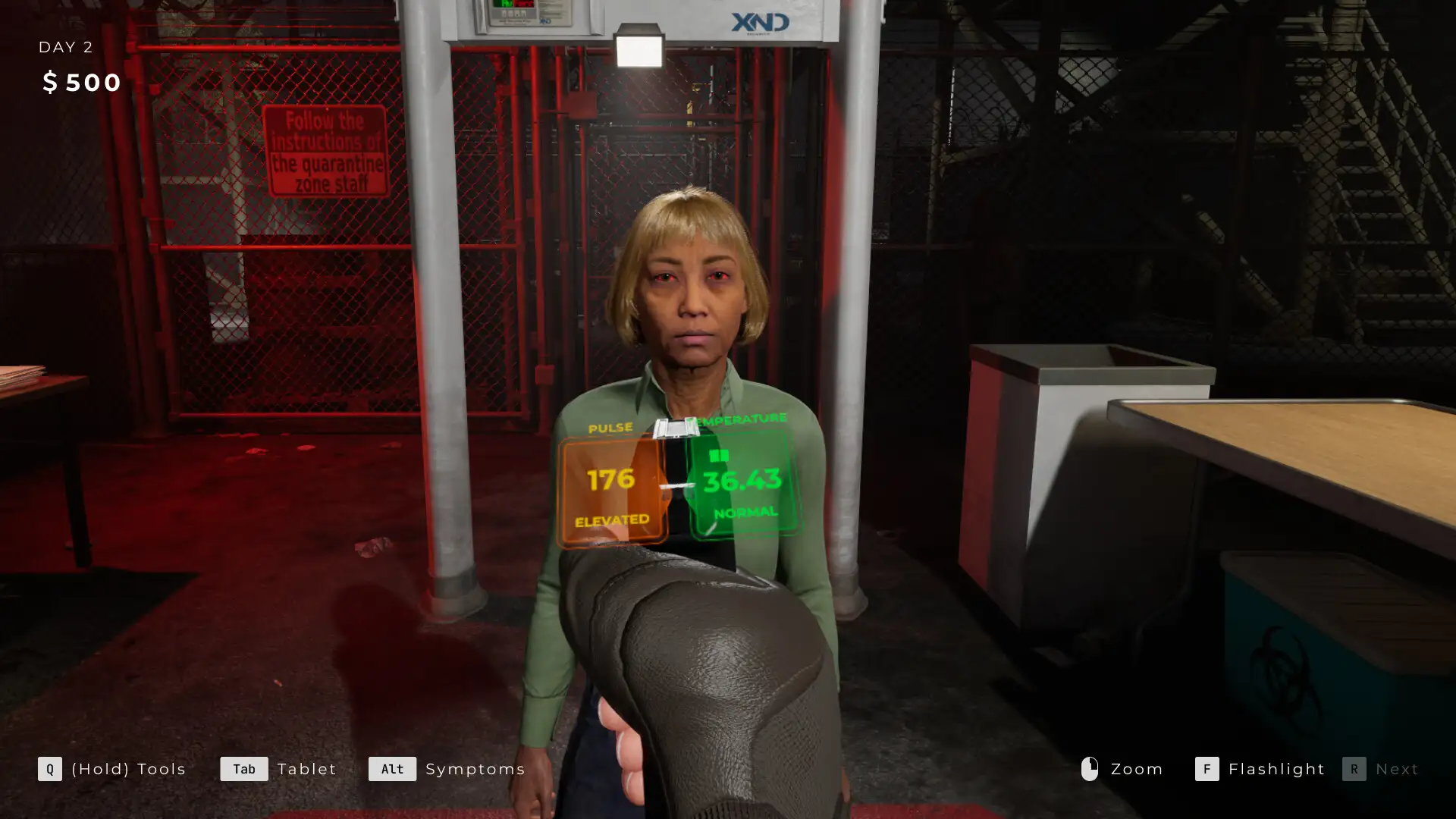

Quarantine Zone: The Last Check – Beginner Overview
| Category | Details |
|---|---|
| Developer | Brigada Games |
| Publisher | Brigada Games |
| Launch Date | January 12 2026 |
| Platforms | PC (Steam – Windows) |
| Genre | Survival Simulation / Strategy / Management |
Introduction
The first few shifts in Quarantine Zone: The Last Check can feel deceptively simple — until mistakes begin stacking up and your checkpoint spirals into panic.
Unlike traditional survival games, success here depends on observation, efficiency, and decision discipline, not combat skill. Many new players fail early because they rush inspections or misunderstand priority threats.
This beginner guide focuses specifically on early-game survival, helping you stabilise your checkpoint, conserve resources, and avoid the most common rookie errors.
Understanding Your Core Objective (Day One Mindset)
Your job is not to save everyone.
Your job is to protect the quarantine zone.
New players often lose runs by trying to act compassionately toward every civilian. Early on, resources are limited, detection tools are basic, and infection signs can be subtle.
Your priorities should always be:
- Prevent infected entry
- Maintain inspection speed
- Preserve medical and security resources
- Avoid crowd escalation
Efficiency beats empathy in the early game.
Learn the Inspection Flow Immediately
A consistent inspection routine dramatically reduces mistakes.
Recommended Early Inspection Order
Follow the same process every time:
✅ Check documentation first
✅ Scan for visible symptoms
✅ Use infection scanner
✅ Watch behaviour and dialogue cues
✅ Make decision quickly
Creating muscle memory prevents panic once queues grow larger.
Pro Tip: Hesitation causes longer queues — and long queues increase aggression and risk events.
Spot Infection Signs Faster
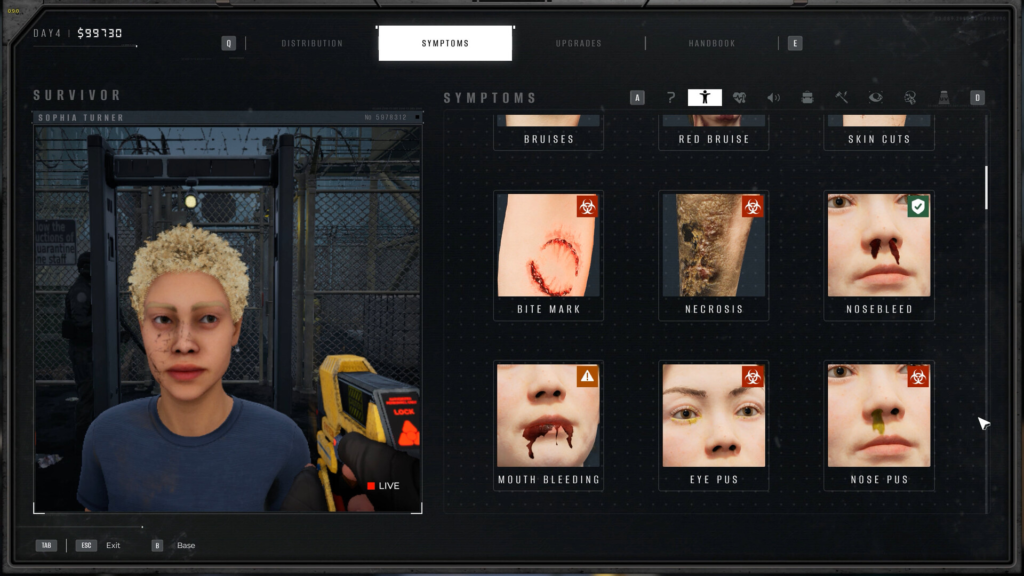
Early detection tools are limited, meaning visual awareness becomes critical.
Watch for:
- Sweating or pale skin tones
- Aggressive coughing
- Unusual posture or fatigue
- Nervous or inconsistent dialogue
- Delayed responses during inspection
Not every infected civilian shows obvious symptoms immediately — which means combining scanner results + behaviour observation is essential.
When unsure early game: deny entry.
Risk management wins runs.
Queue Management Is Survival
Many early failures occur because players focus too heavily on individuals instead of crowd control.
Large queues lead to:
- Panic events
- Rule-breaking civilians
- Security incidents
- Reduced decision accuracy
Early Game Queue Tips
- Keep inspections under ~20 seconds
- Reject suspicious cases quickly
- Avoid overchecking low-risk civilians
- Maintain steady flow instead of perfection
A controlled queue equals a controlled checkpoint.
Resource Management Tips (Most Common Beginner Mistakes)
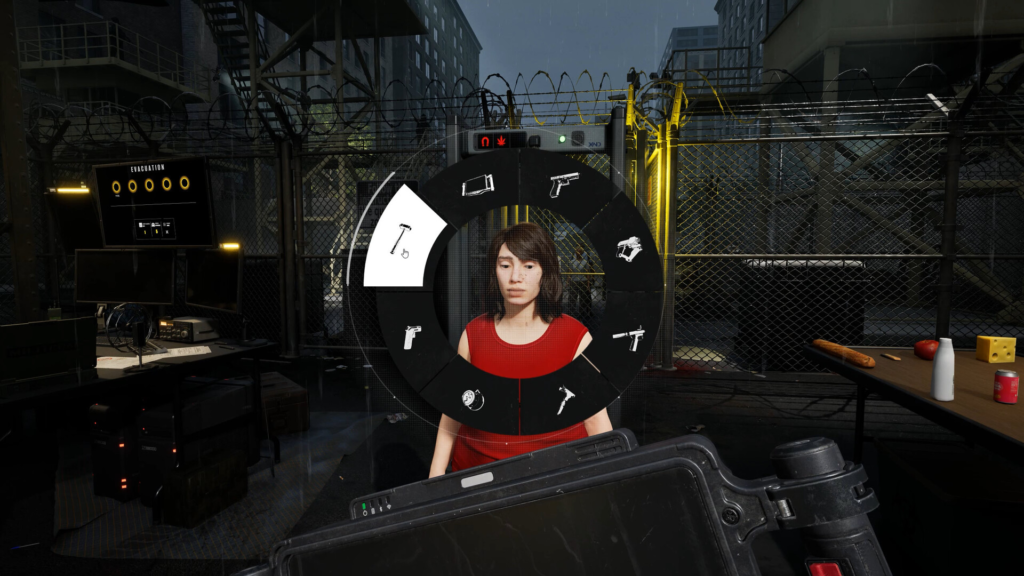
Your supplies early game are extremely limited.
Prioritise These First:
✅ Scanner efficiency upgrades
✅ Staff reliability
✅ Detection accuracy
Avoid overspending on defensive upgrades too early — infection control matters more than combat readiness during initial shifts.
Golden Rule:
One infected civilian entering safely causes more damage than ten rejected healthy ones.
Decision Discipline: Don’t Second Guess Yourself
A major psychological trap in Quarantine Zone is hesitation after making decisions.
Early success comes from:
- Setting strict acceptance rules
- Applying them consistently
- Accepting unavoidable losses
Trying to reverse decisions or overanalyse every civilian slows operations and increases systemic failure risk.
Think like an operator, not a hero.
Best Early Game Strategy (Quick Checklist)
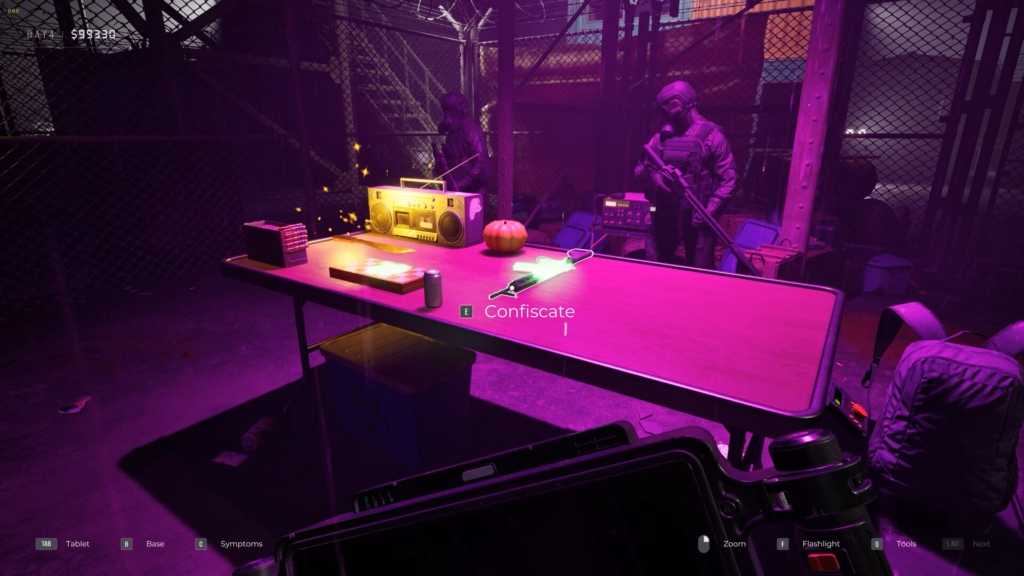
Before Each Shift
- Mentally reset inspection order
- Prepare for increasing queue speed
During Shift
- Stick to routine
- Trust scanner results
- Reject uncertainty
After Shift
- Invest upgrades into detection
- Review mistakes objectively
Consistency creates survival.
Beginner Mistakes to Avoid
❌ Letting sympathy override protocol
❌ Spending too long on one civilian
❌ Ignoring crowd behaviour
❌ Forgetting visual symptom checks
❌ Upgrading non-essential systems early
Most failed runs trace back to one of these issues.
Final Beginner Advice
The early game teaches the most important lesson in Quarantine Zone: The Last Check:
You are managing risk, not people.
Once players shift mindset from emotional reaction to procedural efficiency, survival rates increase dramatically.
Master your inspection rhythm early, maintain queue control, and upgrade detection tools first — and your checkpoint will remain stable long enough to face the far greater challenges waiting later in the game.
Early Game Rating: Difficulty
⭐ Challenge Level: 8/10 for new players
⭐ Learning Curve: Steep but rewarding