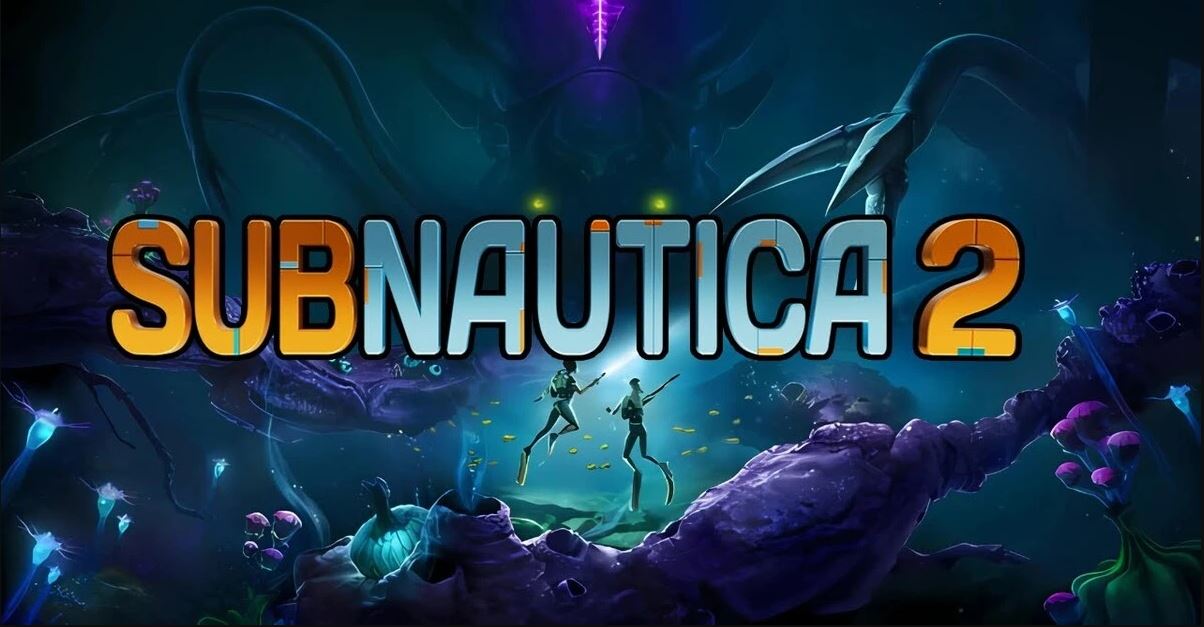
The development of Subnautica 2 has become one of the most closely watched legal disputes in modern gaming, transforming anticipation for a major survival sequel into an ongoing corporate courtroom battle.
What began as a routine publisher acquisition has escalated into lawsuits, counter-lawsuits, executive removals, and allegations involving contractual manipulation and intellectual property disputes. At the centre of the controversy lies a potential $250 million earnout payment, a delayed Early Access launch, and fundamentally different accounts of why the sequel missed its original release window.
As new filings continue to emerge, here is the complete and verified timeline of the Subnautica 2 lawsuit, the claims made by both sides, and what the case means for the future of one of survival gaming’s most influential franchises.
How the Subnautica 2 Lawsuit Began
The roots of the dispute trace back to 2021, when publisher Krafton acquired Unknown Worlds Entertainment, the studio behind Subnautica and Subnautica: Below Zero.
The acquisition reportedly included a large performance-based incentive agreement. If future titles — widely understood to include Subnautica 2 — achieved agreed financial milestones within a defined period, studio leadership stood to receive an additional payout worth up to $250 million.
Earnout structures like this are common in major game industry buyouts, designed to retain creative leadership after acquisition. However, they also introduce risk when publishers and developers disagree on delivery timelines or project readiness.
According to later court filings, those disagreements would ultimately define the relationship between Unknown Worlds and its new parent company.
Subnautica 2’s Original 2025 Early Access Plan
Following early development updates and recruitment expansion, Subnautica 2 was internally targeting an Early Access launch in 2025. Former studio leadership maintains the project was progressing toward a playable release capable of generating revenue within the earnout window.
Legal complaints filed by dismissed executives claim tensions increased after financial projections suggested the milestone payout could realistically be triggered. They allege publisher oversight intensified soon afterward, particularly around scheduling and production expectations.
Krafton disputes this narrative, arguing internal reviews showed the game remained significantly incomplete and required additional development time to meet quality standards expected from the franchise.
Leadership Firings and the Subnautica 2 Delay
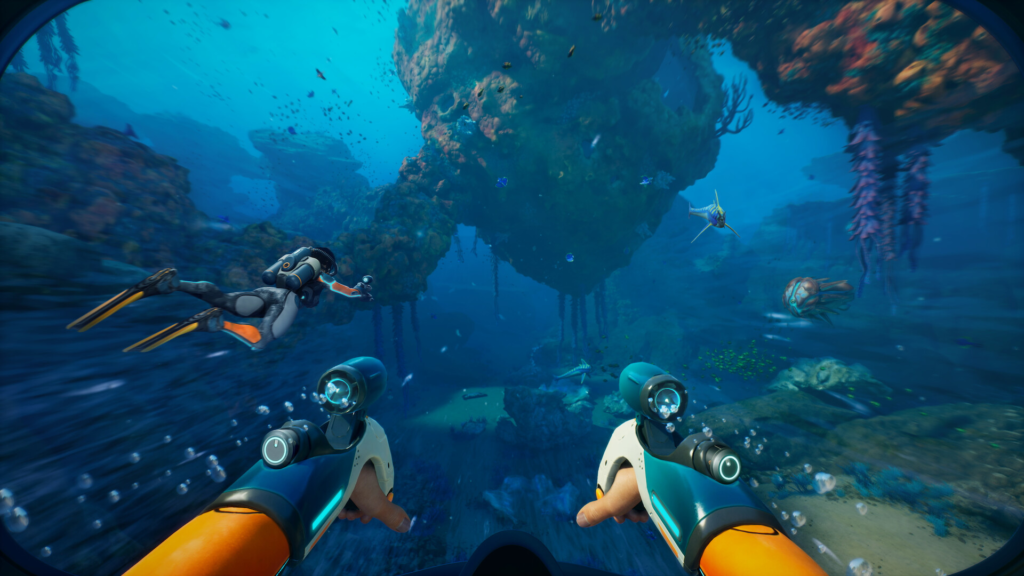
The dispute entered public view in mid-2025 when Krafton removed several senior leaders from Unknown Worlds, including co-founders Charlie Cleveland and Max McGuire alongside CEO Ted Gill.
Shortly after these leadership changes, the publisher confirmed that Subnautica 2 would no longer release in 2025, pushing Early Access into 2026.
The sequence of events immediately became central to the lawsuit. Because the earnout agreement depended on performance within a fixed timeframe, delaying the launch effectively prevented the bonus conditions from being met that year.
Former executives argue this outcome was intentional. Krafton maintains the decision was necessary to avoid releasing an unfinished product.
Core Allegations in the Subnautica 2 Lawsuit
The lawsuit filed by former Unknown Worlds leadership accuses Krafton of deliberately interfering with development operations to avoid triggering contractual payments.
Their claims describe publisher actions that allegedly restricted support, altered project timelines, and replaced leadership despite what they describe as a viable Early Access build. The plaintiffs argue these interventions damaged both studio independence and the commercial prospects of Subnautica 2.
Krafton’s legal response presents a sharply different account. The publisher states that progress toward launch milestones lagged behind expectations and that management changes were implemented to stabilise development rather than influence financial outcomes.
At present, the court has not ruled on either interpretation.
Counterclaims and Data Access Accusations
The conflict intensified when Krafton filed counterclaims accusing former executives of removing confidential company data prior to their departure.
According to court documents, internal audits allegedly recorded large downloads of proprietary materials connected to the Subnautica franchise. Krafton characterises these files as foundational development assets.
The former leaders deny wrongdoing, asserting that any accessed data fell within normal executive responsibilities. This aspect of the dispute introduces potential intellectual property implications alongside the contractual disagreement already under review.
The Project X Allegation
One of the most widely discussed revelations in the case involves references to an internal initiative reportedly called Project X.
Plaintiffs claim this initiative explored strategies to renegotiate or eliminate the earnout obligation, including potential leadership restructuring within Unknown Worlds. If substantiated, the allegation could support arguments that business decisions affecting Subnautica 2 were financially motivated.
Krafton has rejected that interpretation, describing internal planning discussions as routine corporate governance following concerns about project delivery.
Regardless of outcome, the revelation significantly increased industry attention on the case.
Community Reaction and Franchise Impact
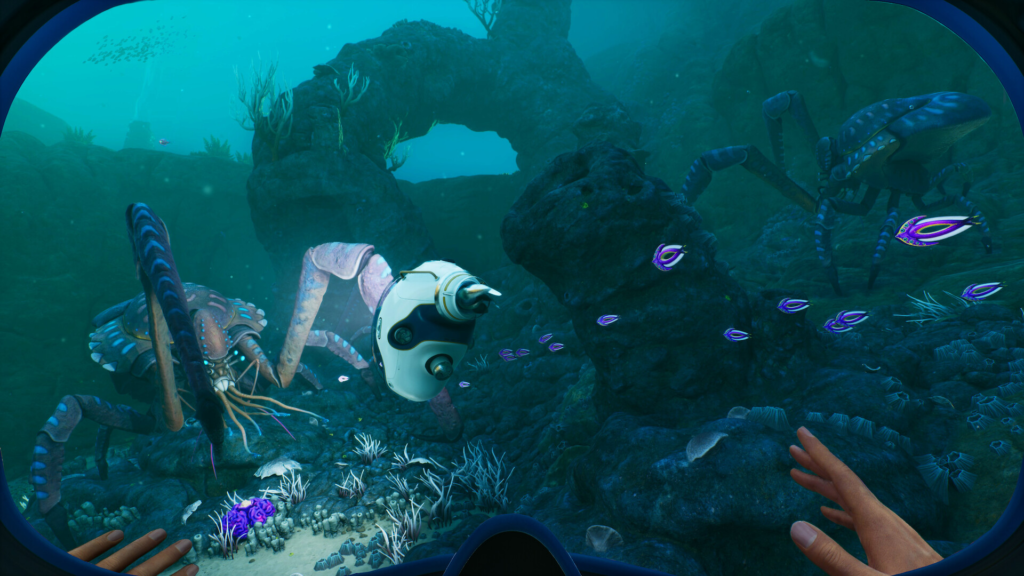
The Subnautica community has followed developments closely, with discussion shifting from gameplay speculation to concern over studio direction. Much of the franchise’s success has historically been tied to transparent communication between developers and players, making leadership changes particularly visible to fans.
While development continues, uncertainty surrounding creative continuity has become a recurring topic across forums, social media, and gaming news coverage.
Importantly, there has been no indication that Subnautica 2 itself is cancelled. The dispute centres on management decisions and contractual obligations rather than abandonment of the project.
Why the Subnautica 2 Lawsuit Matters to the Gaming Industry
Beyond the immediate controversy, analysts view the case as a potential precedent for future publisher acquisitions.
Modern game industry consolidation increasingly relies on earnout agreements designed to incentivise post-acquisition performance. Disputes like this highlight how disagreements over readiness, quality thresholds, and release timing can evolve into major legal conflicts.
The eventual ruling may influence how publishers structure milestone bonuses, executive authority, and studio autonomy in future deals.
Current Status of Subnautica 2 in 2026
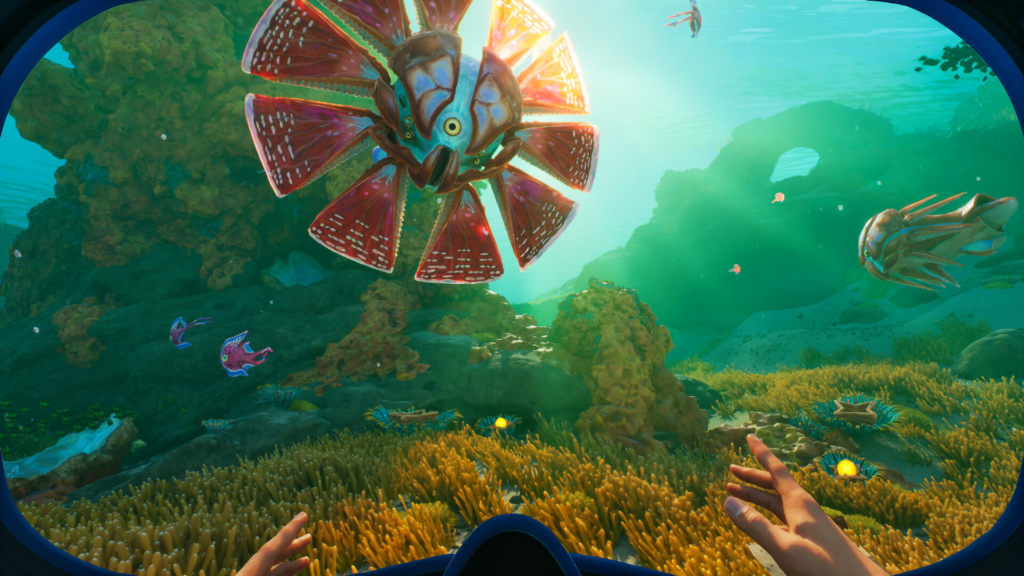
As of early 2026, litigation between Krafton and former Unknown Worlds leadership remains ongoing. Development on Subnautica 2 continues under revised management, with Early Access currently expected during 2026.
No court decision has yet determined liability or validated either party’s claims. Until proceedings conclude, many of the most serious allegations remain contested assertions rather than established findings.
What Happens Next
For players awaiting the next entry in the underwater survival series, the practical outcome remains unchanged: Subnautica 2 is still in active development.
However, the lawsuit has already reshaped the narrative surrounding the sequel. Instead of representing a straightforward continuation of one of survival gaming’s most beloved franchises, the game now sits at the intersection of creative ambition, corporate oversight, and high-stakes acquisition economics.
Whatever the legal outcome, the Subnautica 2 lawsuit is likely to become a defining case study in how modern video games are financed, managed, and ultimately brought to release.